
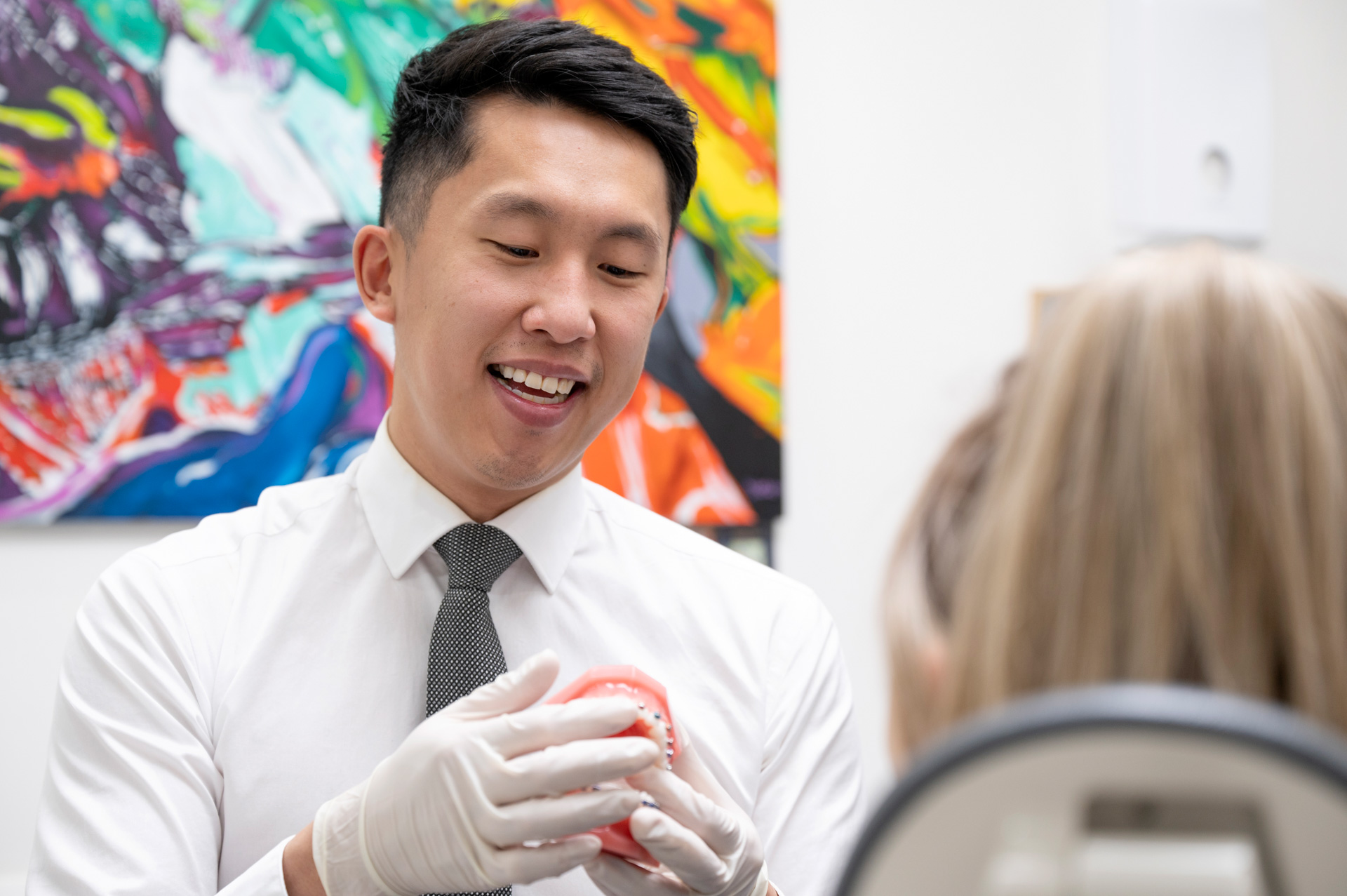
Guide developing jaws
Growth modification may help selected jaw or bite discrepancies while meaningful growth remains.
Children and early treatment
A specialist assessment can identify concerns with jaw growth, bite, space and tooth eruption—then clarify whether your child needs treatment now or simply careful monitoring.
The right time to look
Children are still growing and their adult teeth are developing. That creates a valuable opportunity to recognise problems that may be easier to manage before growth and eruption are complete.
Early orthodontic care does not mean every child starts treatment. Many children benefit most from observation, with planned reviews so action is taken only if and when it becomes useful.
Potential benefits
Benefits depend on your child’s diagnosis and growth. Your specialist will explain whether early intervention adds value compared with monitoring.
Growth modification may help selected jaw or bite discrepancies while meaningful growth remains.
Creating or preserving space can help guide developing adult teeth and reduce obstruction in selected cases.
Addressing a crossbite, underbite or significant growth concern early may simplify later comprehensive care.
Early treatment options
There is no single appliance for every child. We recommend the simplest option capable of addressing the specific problem.
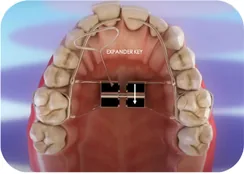
Designed for selected narrow upper jaws and crossbites while the palate is still developing.
Explore expanders →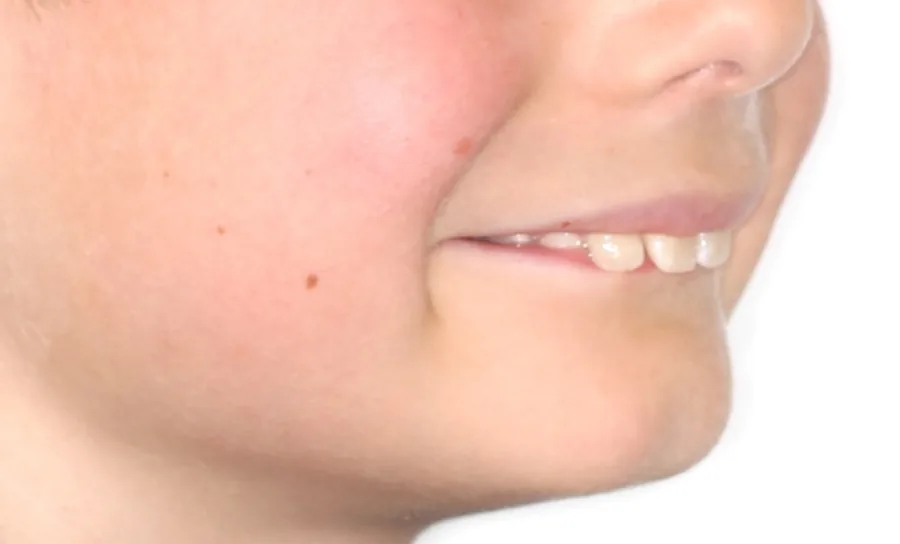
Uses remaining growth to improve selected overbite, underbite or jaw-development concerns.
Explore growth modification →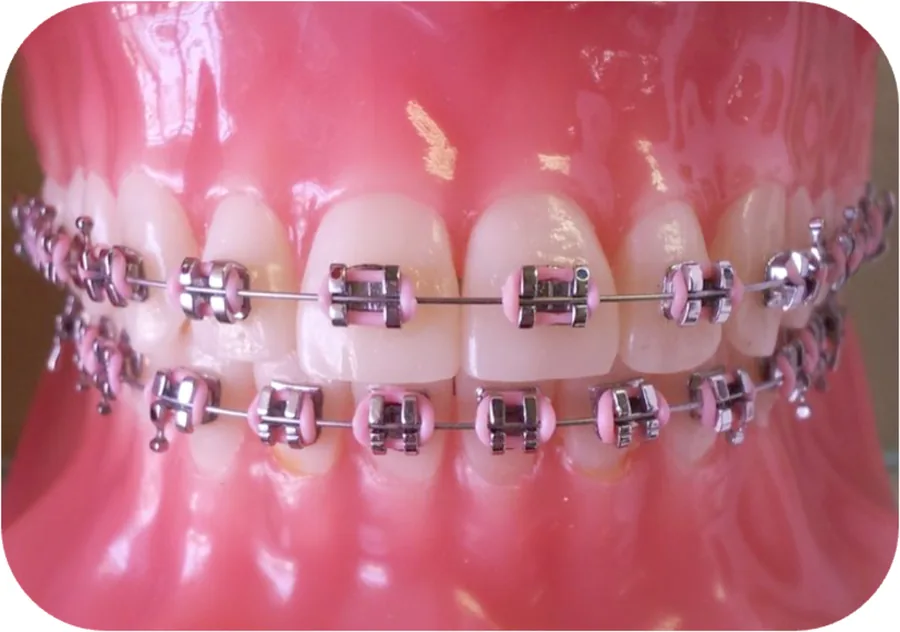
Limited braces may be recommended when specific tooth positions or eruption problems need attention.
Explore braces →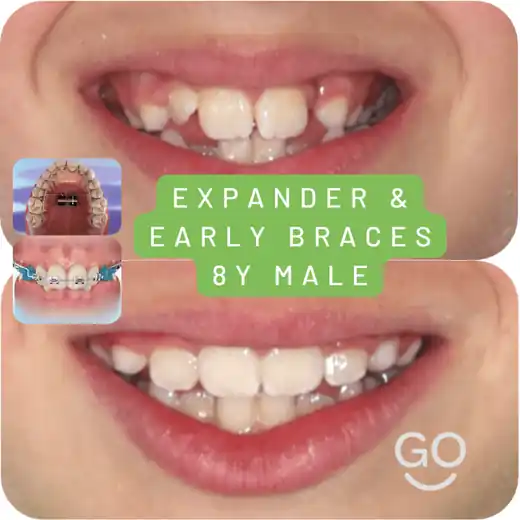
What we assess
At the first visit, we assess the face, jaws, teeth, bite and eruption pattern as one connected system.
A clear first visit
You leave knowing what we found, whether anything needs attention and what happens next.
We discuss your concerns, your child’s dental history and any changes you have noticed.
Our specialist examines facial growth, jaws, developing teeth and the way the bite fits.
We explain monitoring and treatment pathways, including the benefit of acting now or waiting.
You receive clear next steps, likely timing and fees where treatment is recommended.
Monitor or treat?
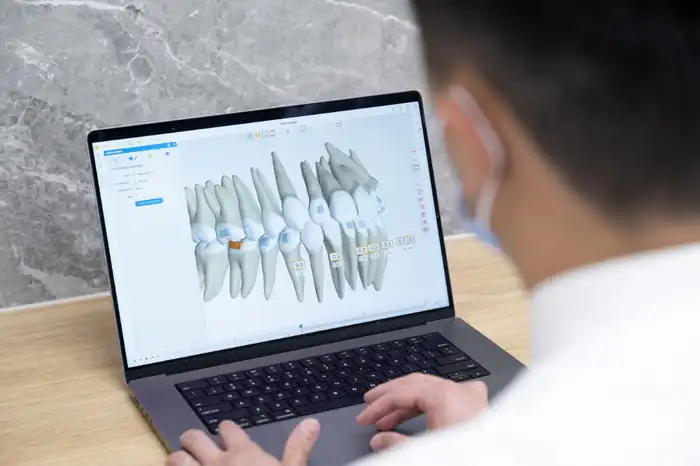
Sometimes the best plan is to watch growth and eruption over time. If intervention is useful, we explain the specific objective, alternatives and likely next stage before you decide.
Book an early assessmentClinical outcomes and timing vary between patients. Images are examples and do not guarantee a particular result.
Common questions
Go Orthodontics recommends a first specialist assessment by around age 9, or earlier if a dentist identifies a concern with jaw growth, bite or tooth eruption.
No. Many children are best monitored until more adult teeth have erupted or the timing is more favourable. Treatment is recommended only when acting early offers a meaningful benefit.
Depending on the diagnosis, options may include an expander, growth-modification appliance or limited braces. The appliance is chosen only after a specialist assessment.
No. Dentist referrals are welcome, but parents can book their child directly with Go Orthodontics.
A useful answer at the right time
Book a specialist consultation for a clear assessment of your child’s growth, bite and developing smile.